
Backyard Mushroom Discovery Turned Science Experiment
Back to Summer 2026 or Wander & Explore
Submitted by Jennifer Morrow on 8/27/2026
As weird as it may sound, one of my favorite early morning root-ines is wandering around my yard and finding weeds to pull for 30 minutes or so, oftentimes much longer when I get in the zone! It’s such an easy way to be outside before it gets too hot, literally connect with the earth (no gloves!), and improve the look of our yard in the process.
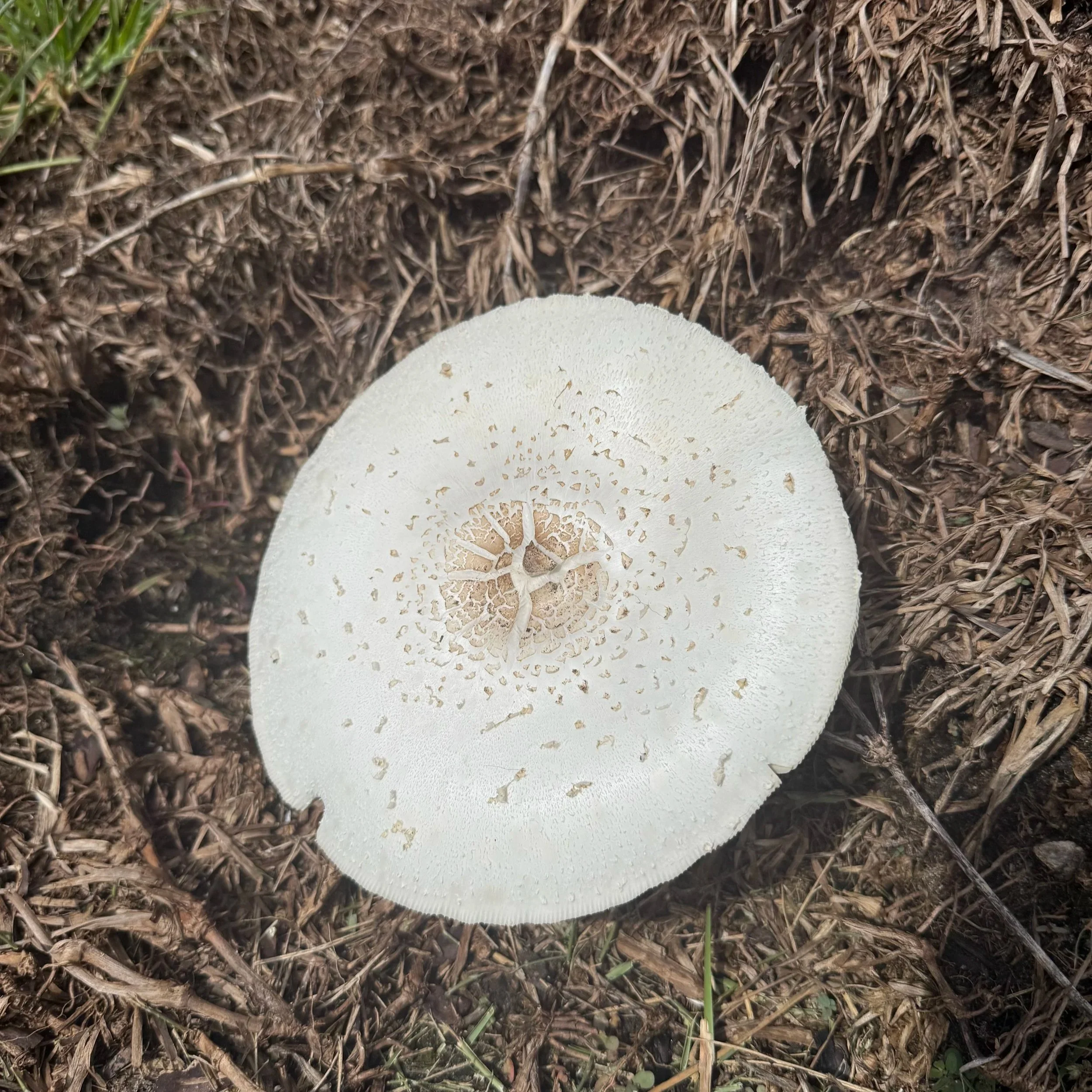
To my surprise, I stumbled across a huge mushroom yesterday (the size of my hand) growing in a pile of yard debris in the back. It must have grown practically overnight because there is no way my husband and I would have missed it, since we’re back there daily. My 5-year-old black lab, Ziggy, was my number one concern because he’s curious, and it looked like a monster mushroom that’s probably toxic.
Fortunately, working from home affords me the flexibility to go down the rabbit hole on things like this. Google Lens is so helpful, and it led me to believe that it was probably toxic based on the image. But then I found out how to test it for toxicity, and I thought I would share what I did and the results.
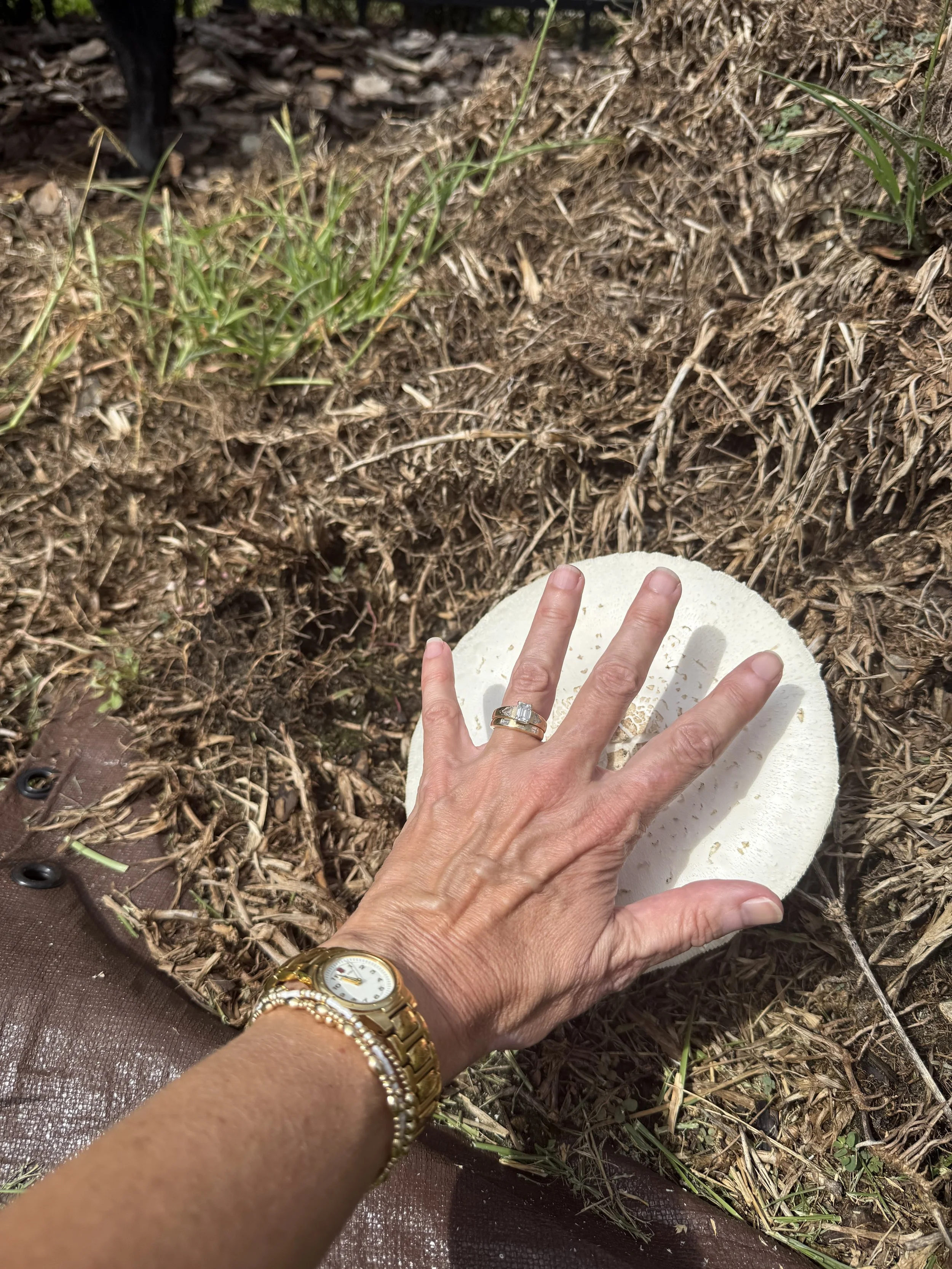
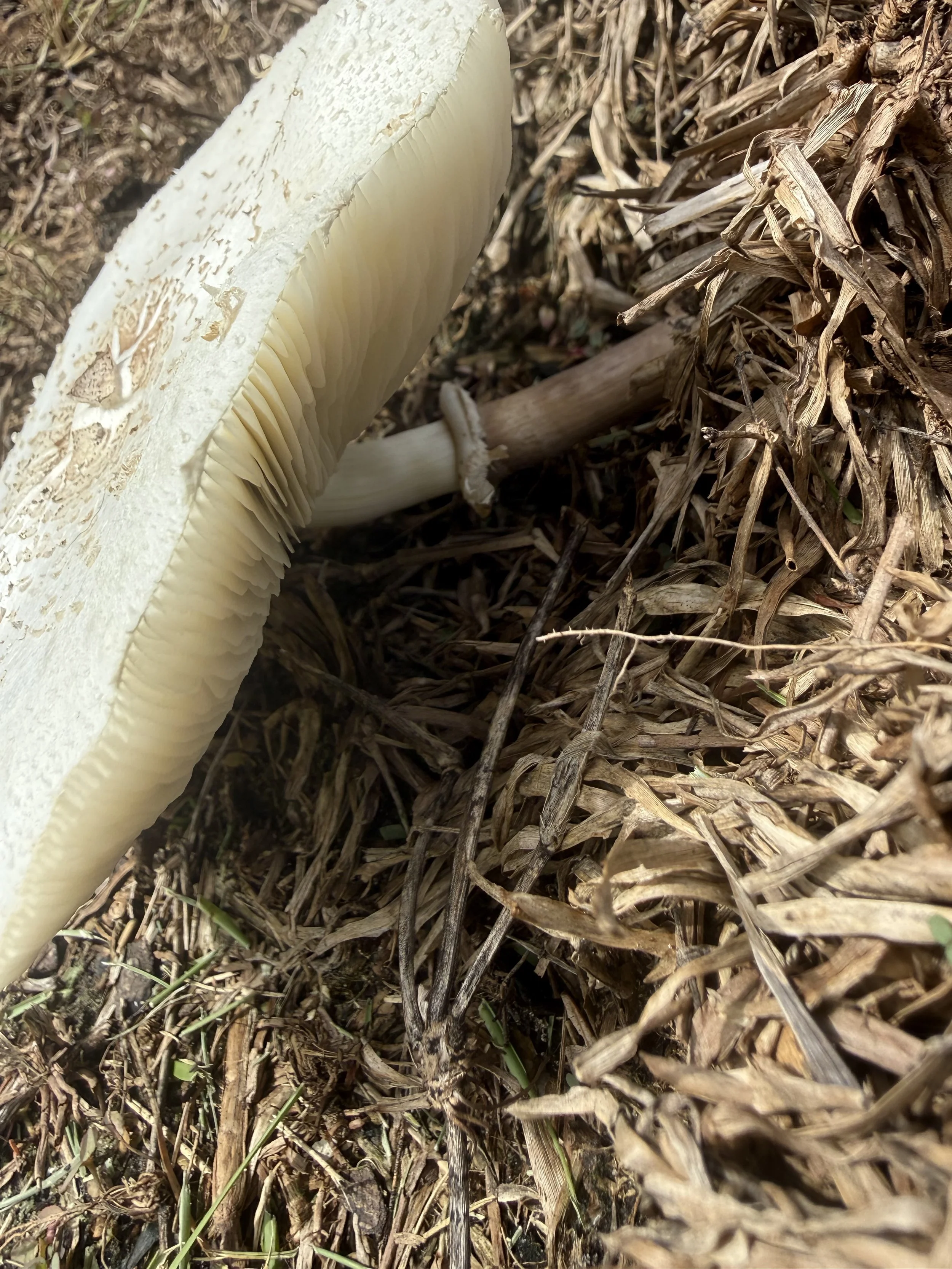
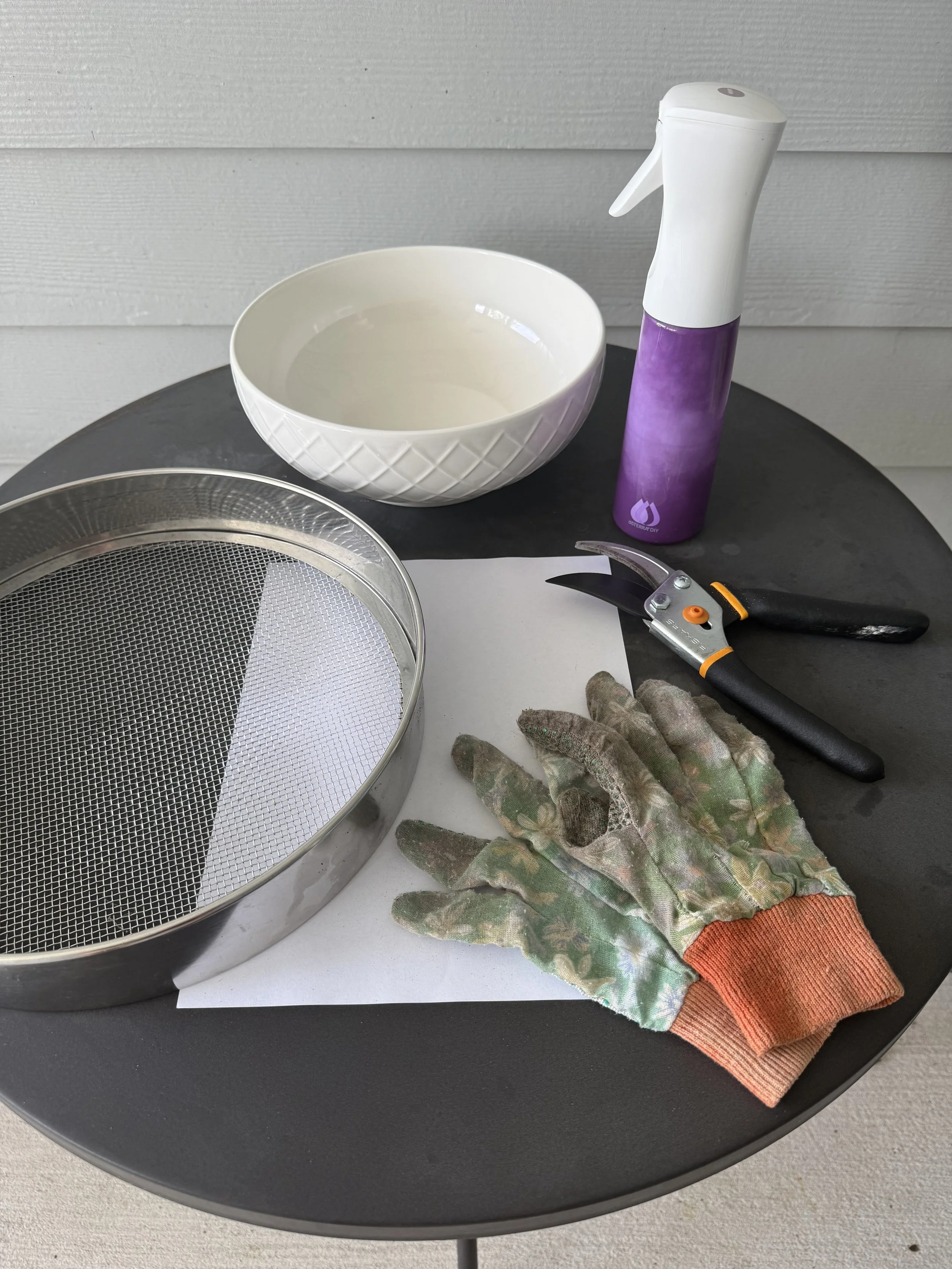
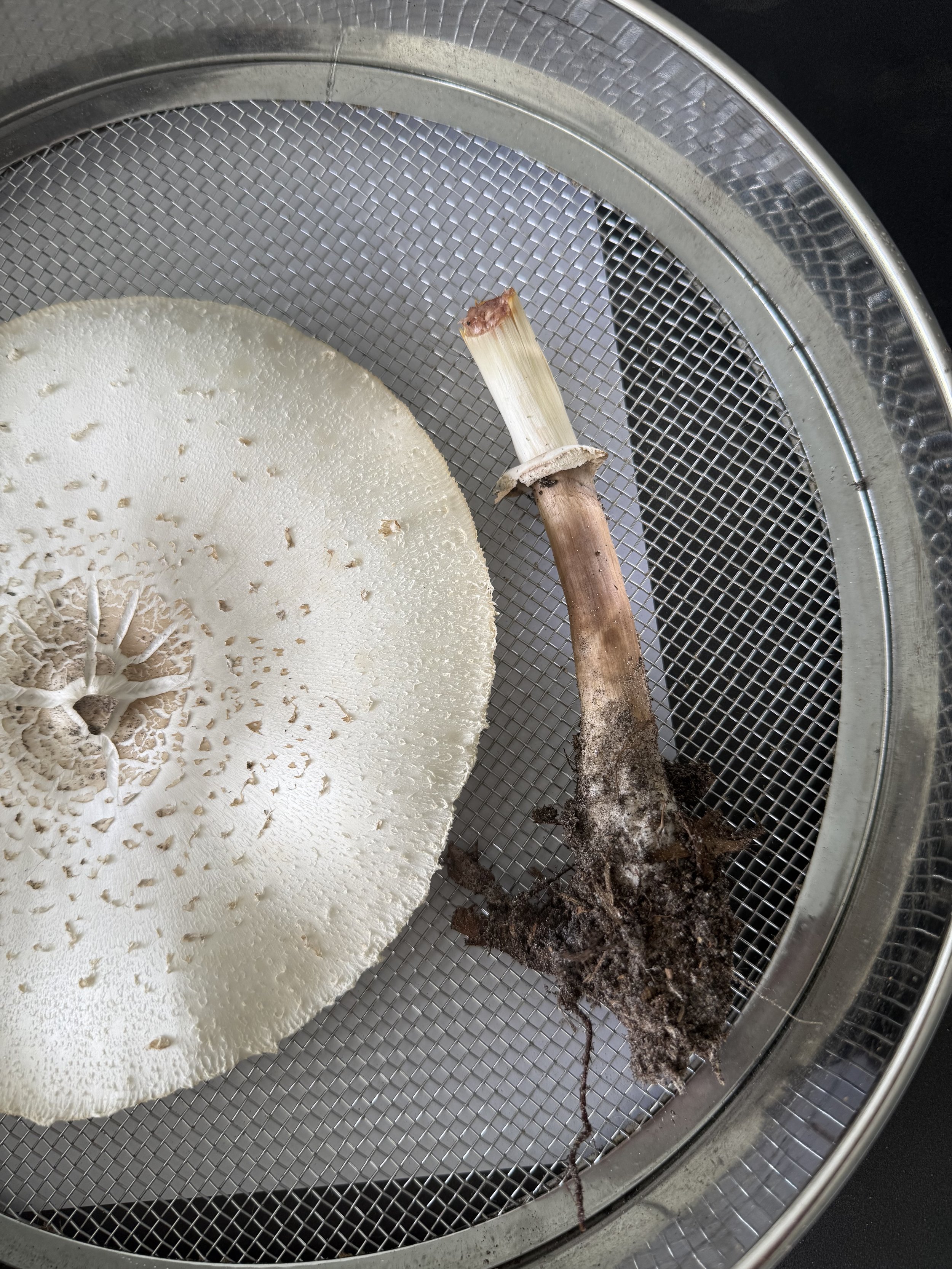
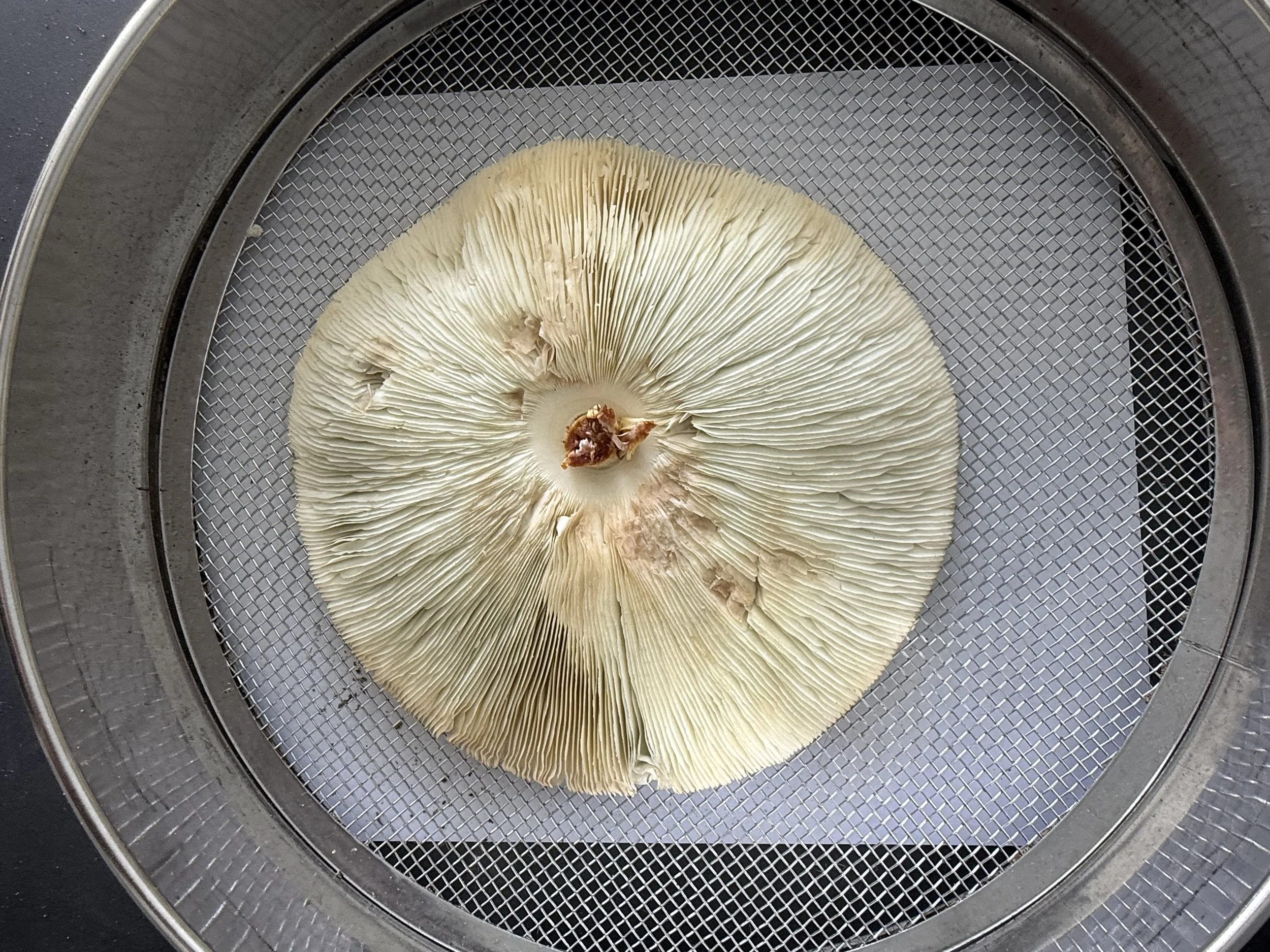
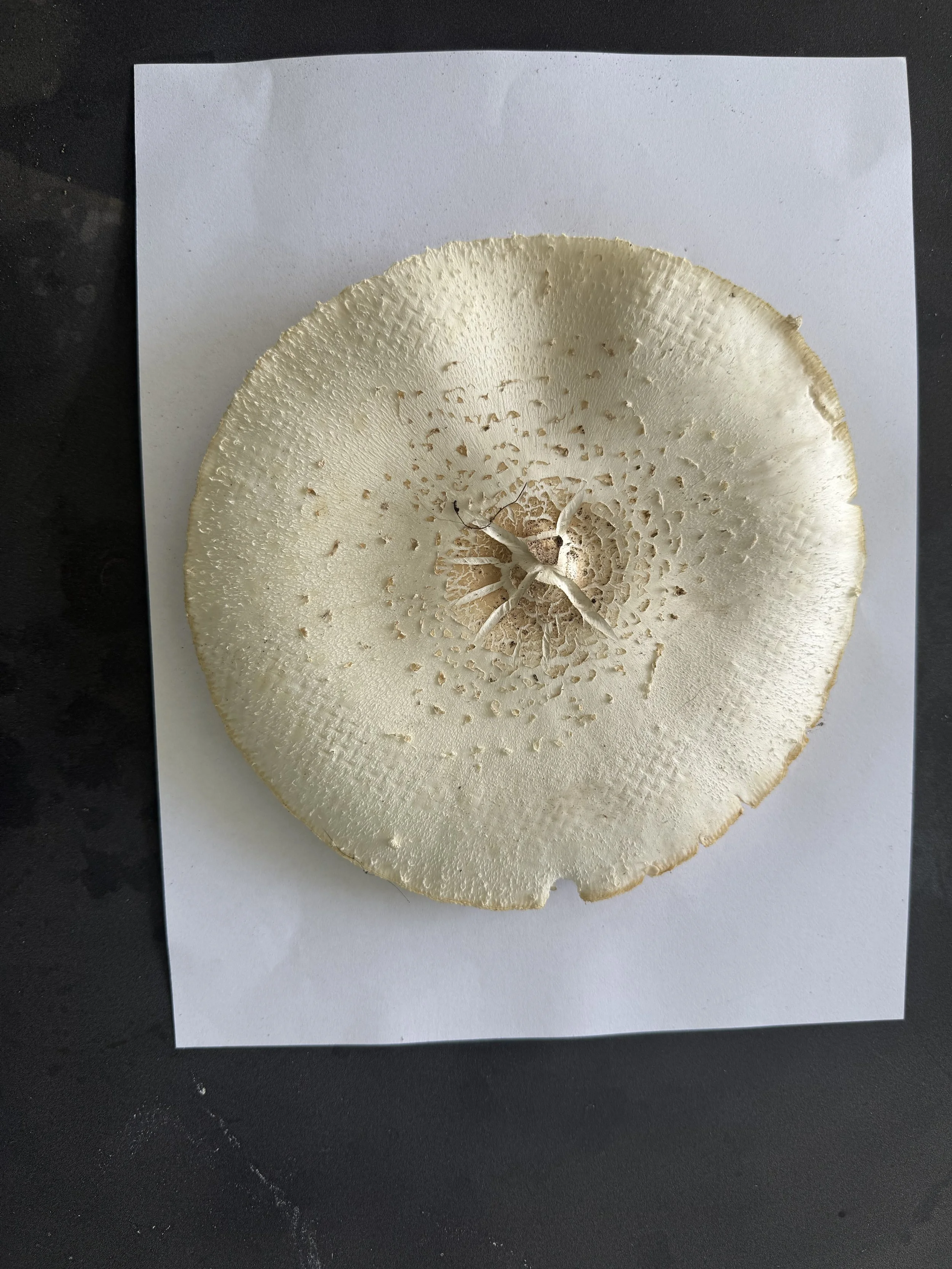
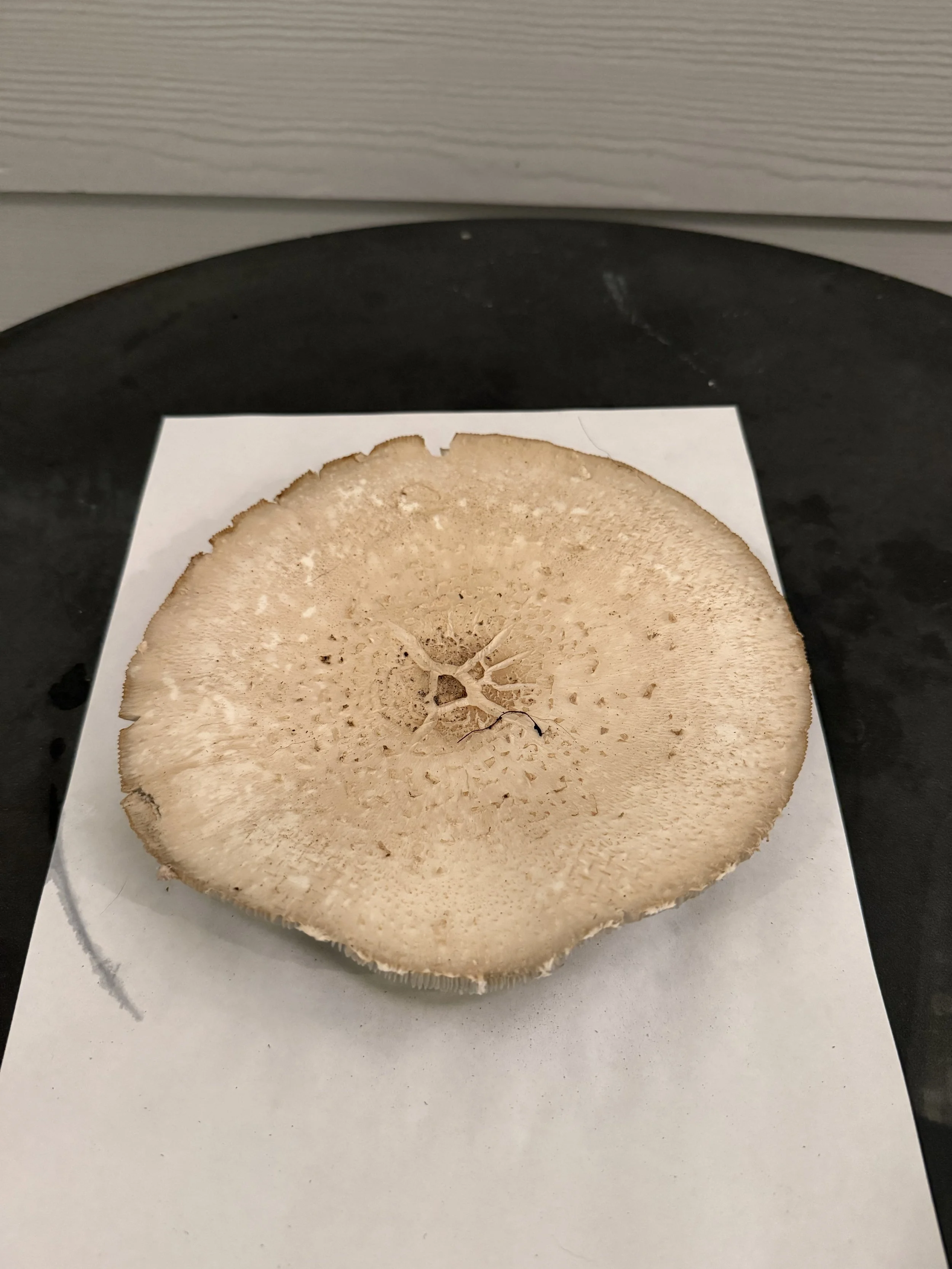
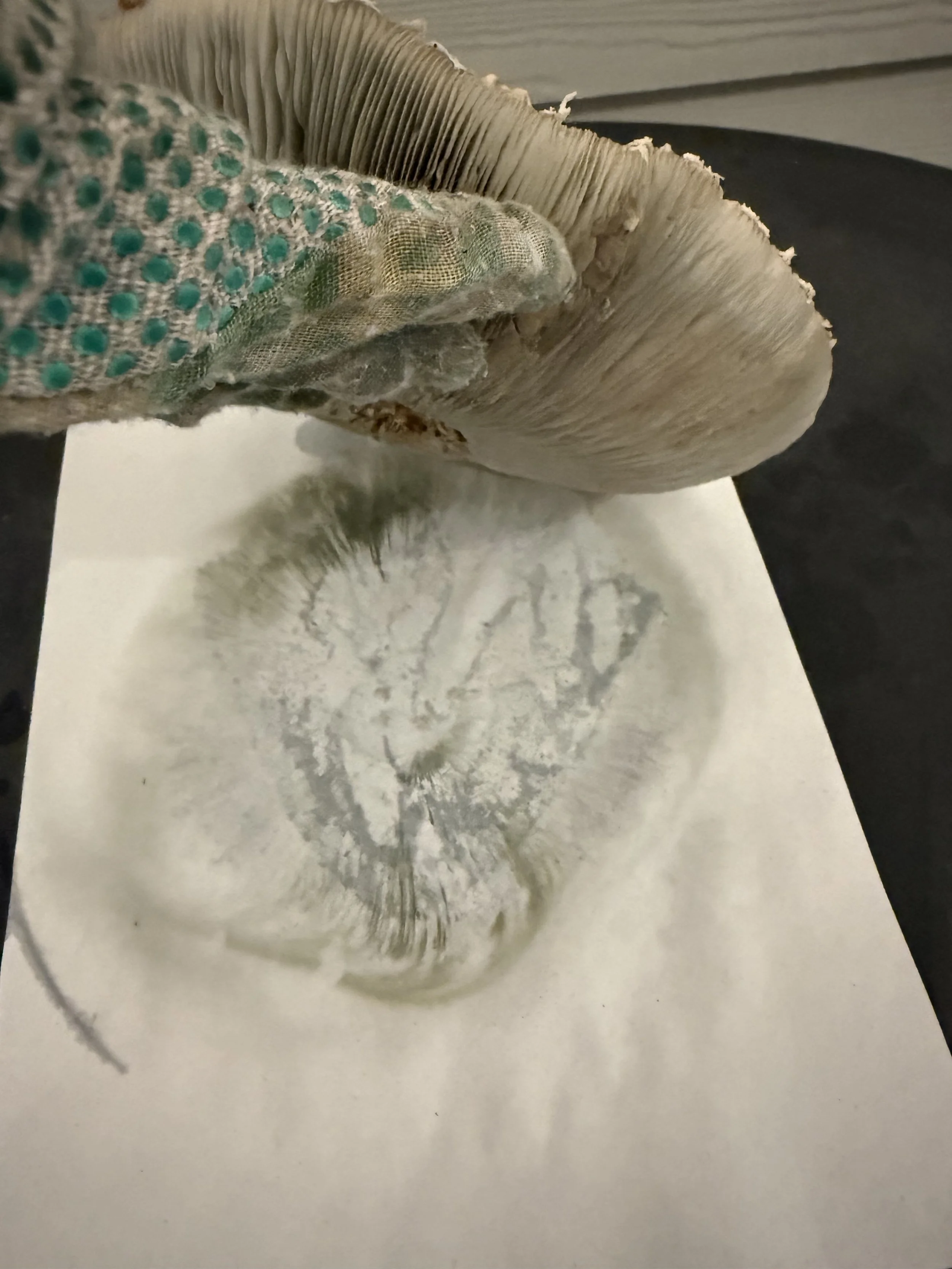
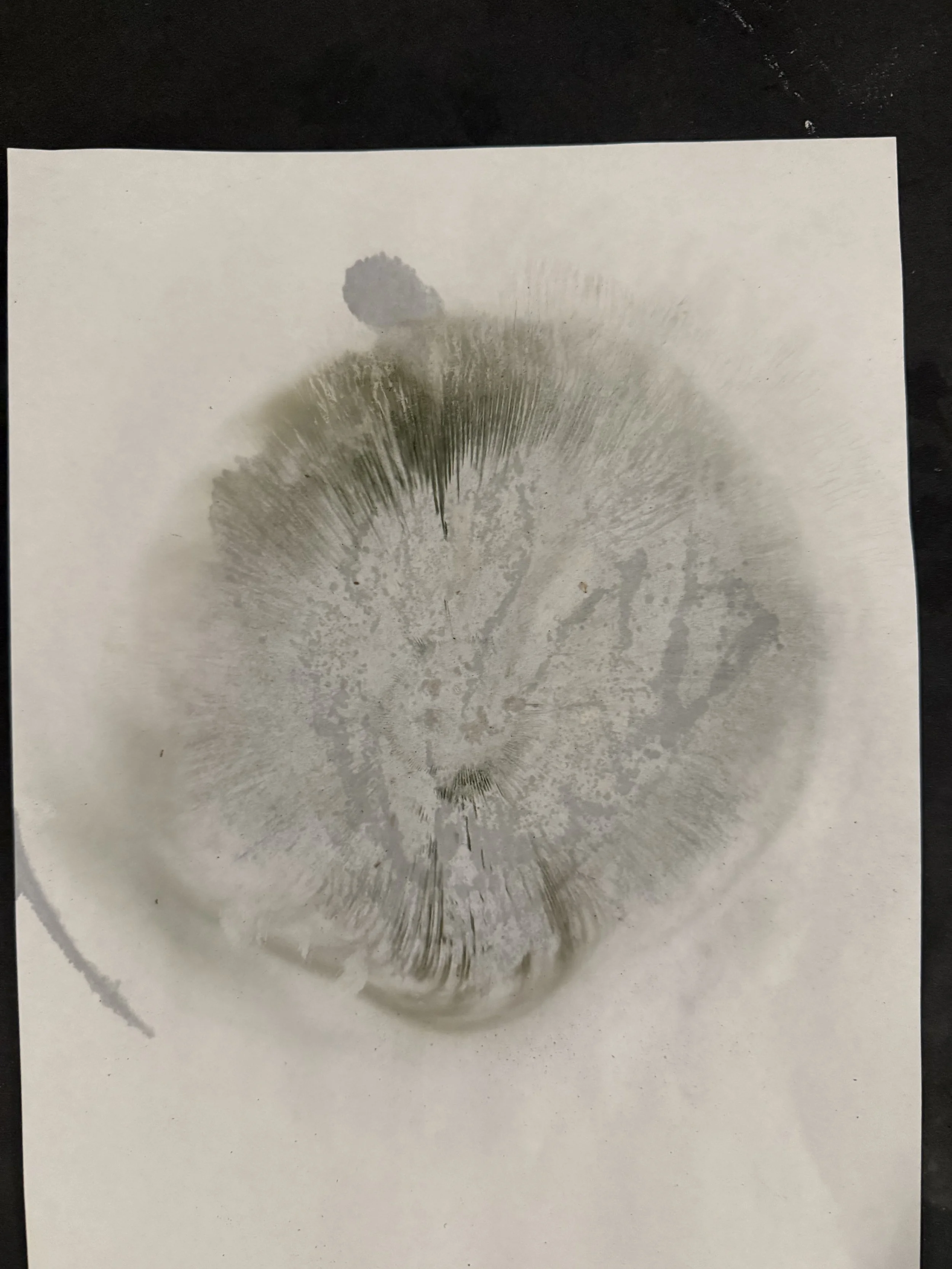
Even though I generally pull weeds barehanded, I was careful to protect my skin while handling the mushroom. I cut off the cap, pulled the stem, and transported them on a sifting tray I got when I purchased my Reencle. I decided to set up my experiment on a table on my porch. Since it was filthy, I cleaned it with my fave all-purpose cleaner from DoTERRA before setting up.
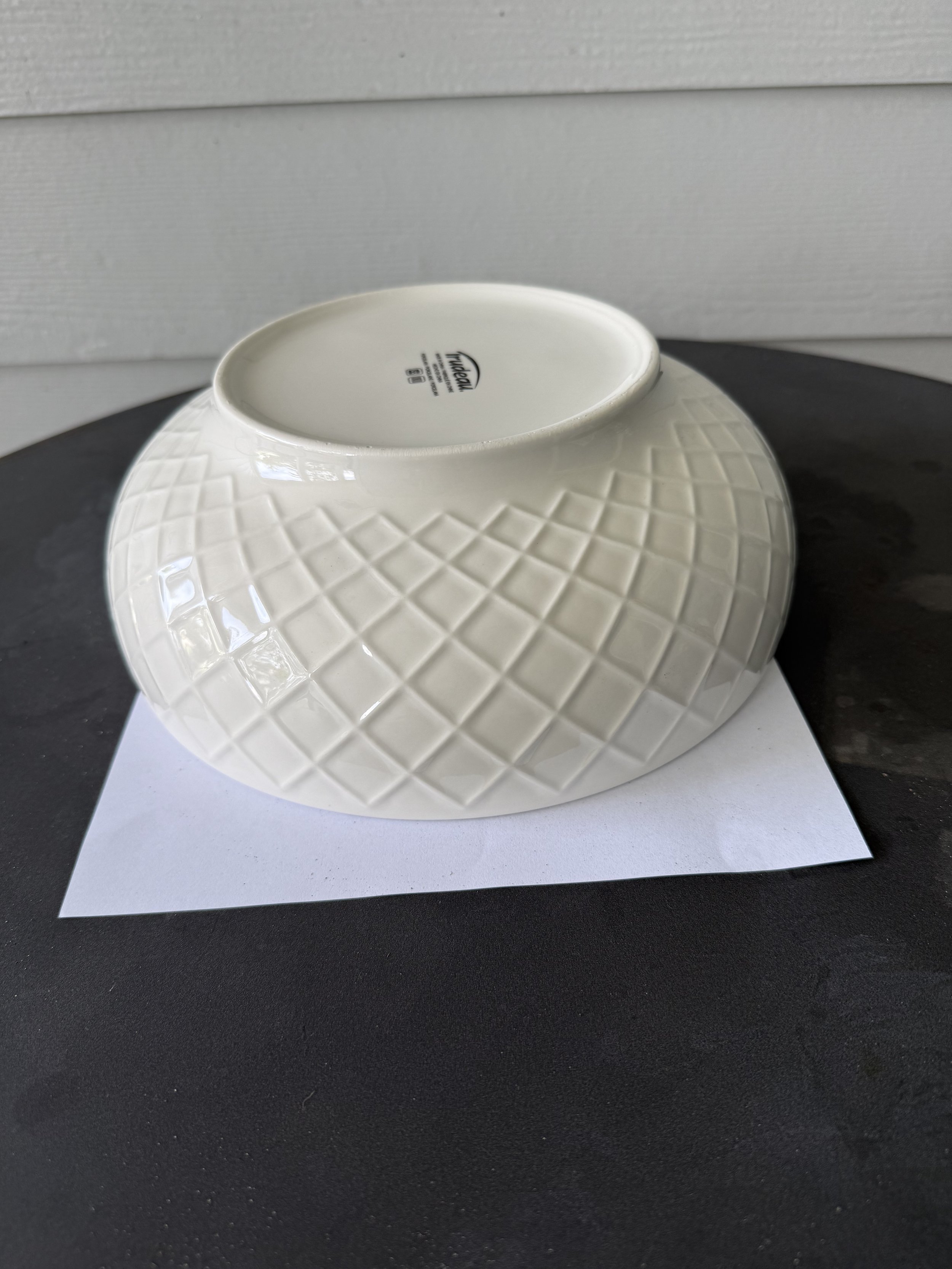
As instructed, I placed the cap gill-side down on a piece of paper and covered it with a bowl. It said to wait 6-12 hours to see what color the print is. A green-grey colored spore print indicates that it’s toxic, and that’s what I had at the 6-hour mark. Initial research makes me think that it is a Chlorophyllum molybdites, commonly known as the false parasol or the vomiter - a widespread, poisonous mushroom famous for causing intense gastrointestinal illness. It’s the most frequently ingested toxic mushroom in North America because people often mistake it for edible lookalikes like the parasol mushroom or shaggy mane.
If you have other ideas about what this may be, or if you have experience with Chlorophyllum molybdites, we would love to hear it! Please email jennifer@tootsontherise.com.